Soups · Spring
Green Minestrone for the First Warm Week
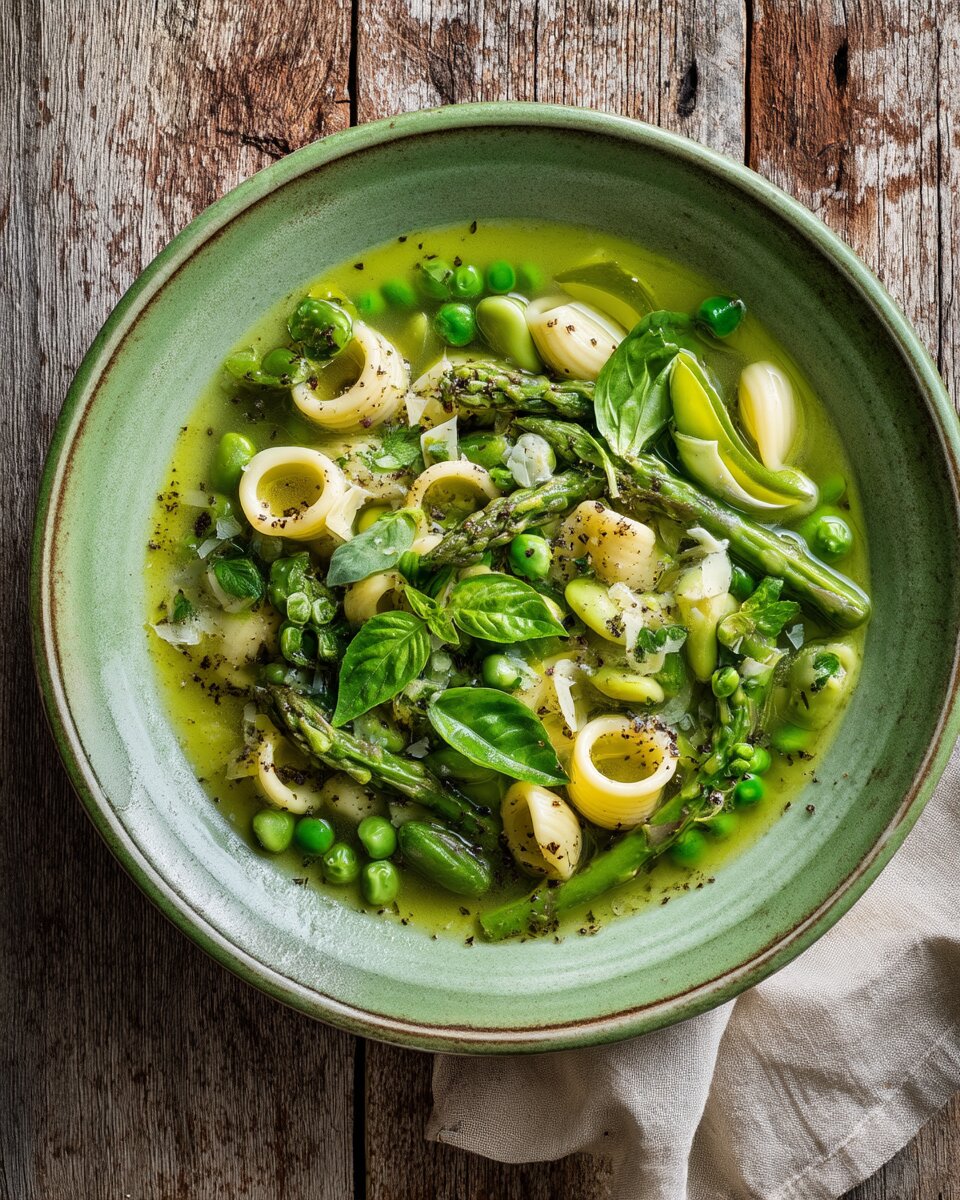
A spring minestrone is not a winter one in disguise. It is greener, lighter, faster — built around peas, asparagus and tender greens, with a Parmesan rind doing the quiet work of body and depth.
Prep
20 min
Cook
30 min
Total
50 min
Serves
6
The Italian word minestrone just means "big soup," and at its most basic it is whatever vegetables you have, plus a bean and a small pasta, simmered in stock. The proportions change with the seasons. This is the spring version: leek instead of onion, peas and fava and asparagus instead of cabbage and squash, small white beans for body, a quick simmer rather than a long one.
A Parmesan rind is the secret ingredient — it lives in the freezer of every Italian grandmother and contributes a salty, nutty undertone to the broth as the soup simmers. If you do not have one, grate generous Parmigiano at the table.
Serve with crusty bread, a green salad, and the same dry white you cook with.
Method
- Sweat the aromatics. Heat the olive oil in a large pot over medium heat. Add the leeks, celery, fennel and a pinch of salt. Cook, stirring, until soft and translucent — about 8 minutes. Add the garlic and cook 1 minute.
- Build the broth. Add the stock, cannellini beans, Parmesan rind and bay leaf. Bring to a gentle simmer. Cook for 10 minutes to develop flavor.
- Cook the pasta. Add the pasta and simmer for half the time the package suggests (it will finish cooking with the vegetables).
- Add the green vegetables. Add the asparagus, peas and fava beans. Simmer 3 to 5 minutes — the vegetables should still be bright green, just tender.
- Adjust and serve. Remove the Parmesan rind and bay leaf. Taste and season generously with salt and pepper. Ladle into warm bowls; top with torn basil, grated Parmigiano, a final drizzle of olive oil, and cracked pepper.
A Parmesan rind in the broth is the difference between a soup that is fine and one that is special.
Notes & substitutions
- Beans Cannellini are traditional; great Northern or navy beans work equally well.
- Pasta Cook the pasta separately if you plan to refrigerate leftovers — it will turn to mush sitting in the broth.
- Substitutions No asparagus? Use green beans. No fava? More peas. The point is bright, fresh, green.
- Vegetarian Vegetable stock works beautifully — use a good one. The Parmesan rind already does most of the work.
Continue reading
More from the kitchen
All recipes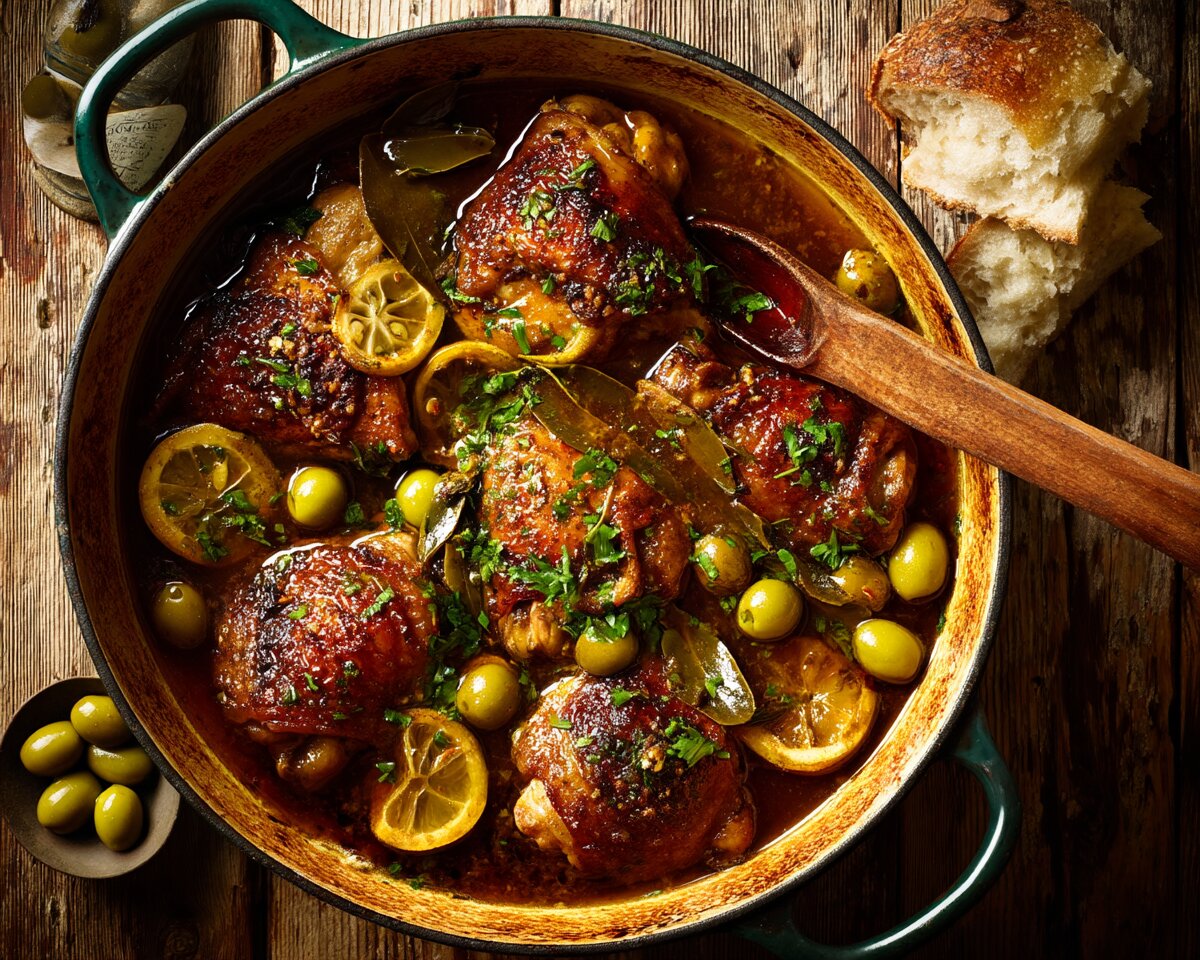
Sunday Cooking
Braised Chicken with Preserved Lemon, Green Olives and Bay
A one-pot Sunday dinner that quietly improves itself over a few hours on the stove.

Baking
Skillet Cornbread for a Cold Evening
Coarse cornmeal, buttermilk, a hot cast-iron pan. We tested it twelve times so you can make it once.
Pasta
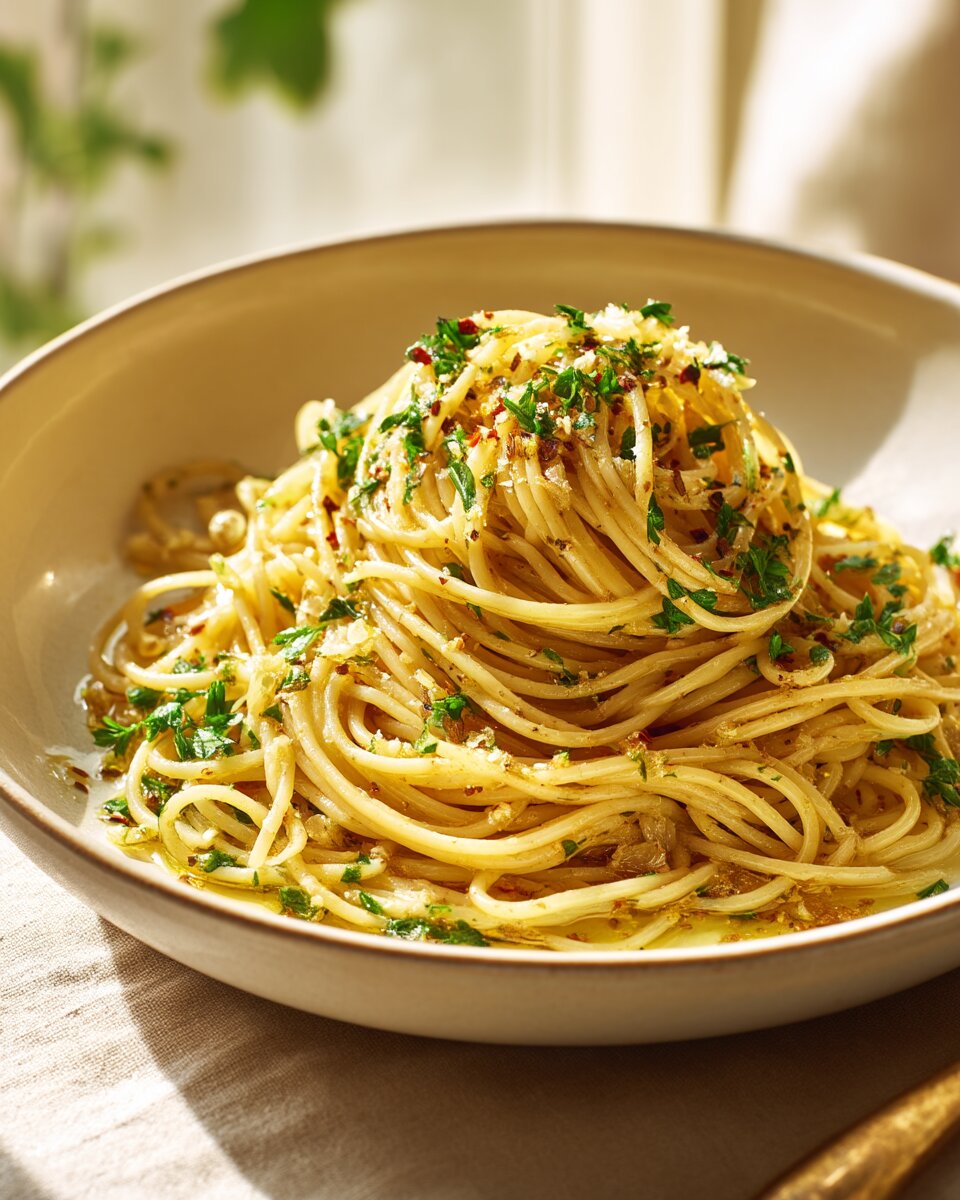
Aglio e Olio, Written Down Properly
Five ingredients, fifteen minutes, and a half-cup of starchy pasta water that does most of the work.